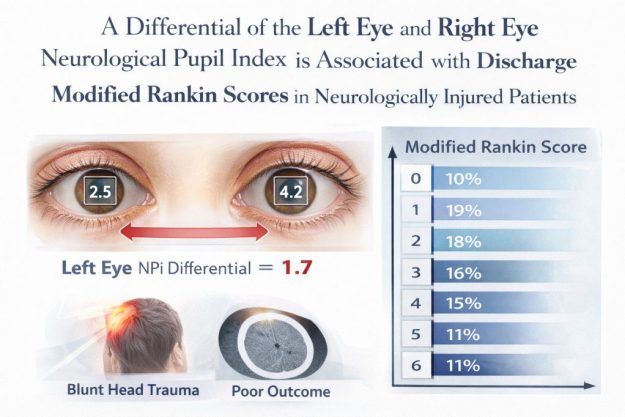
A differential of the left eye and right eye neurological pupil index is associated with discharge modified Rankin scores in neurologically injured patients

Abstract Background: Automated infrared pupillometry (AIP) and the Neurological Pupil index (NPi) provide an objective means of assessing and trending the pupillary light reflex (PLR) across a broad spectrum of neurological diseases. NPi quantifies the PLR and ranges from 0 to 5; in healthy individuals, the NPi of both eyes is expected to be ≥…
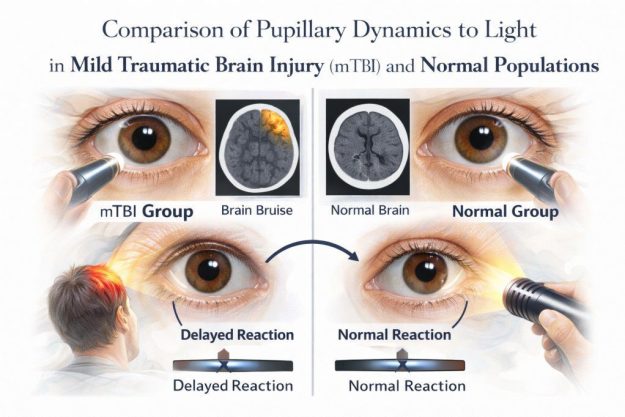
Comparison of pupillary dynamics to light in the mild traumatic brain injury (mTBI) and normal populations

Abstract Purpose: To determine if mTBI adversely affects the pupillary light reflex (PLR). Methods: The PLR was evaluated in mTBI and compared to normal individuals under a range of test conditions. Nine pupil parameters (maximum, minimum and final pupil diameter, latency, amplitude and peak and average constriction and dilation velocities) and six stimulus conditions (dim…

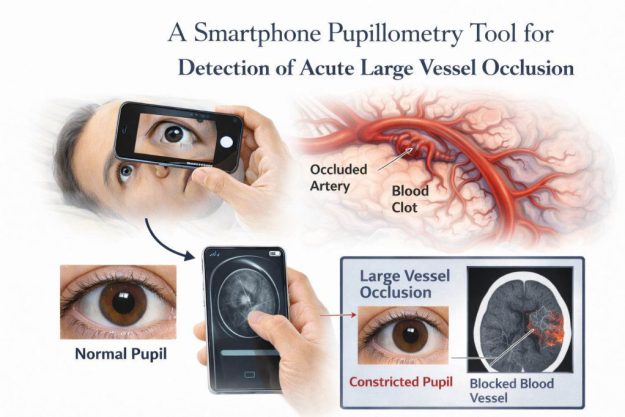
A smartphone pupillometry tool for detection of acute large vessel occlusion

Abstract Objectives: Pupillary light reflex (PLR) parameters can be used as quantitative biomarkers of neurological function. Since digital infrared pupillometry is expensive, we sought to examine alterations in PLR parameters using a smartphone quantitative pupillometry platform in subjects with acute ischemic stroke (AIS). Results: Healthy controls (n = 132) and AIS patients (n = 31)…

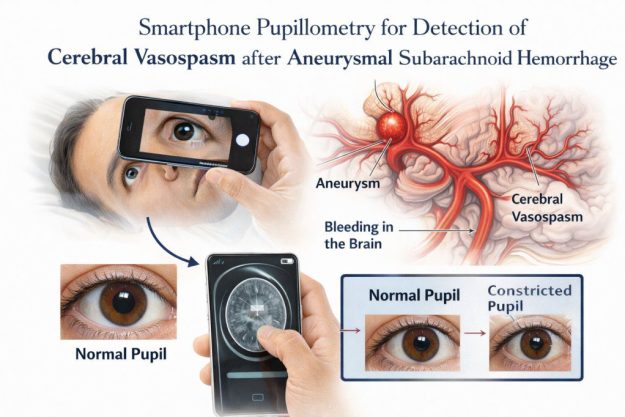
Smartphone pupillometry for detection of cerebral vasospasm after aneurysmal subarachnoid hemorrhage

Abstract Objectives: Vasospasm is a complication of aneurysmal subarachnoid hemorrhage (aSAH) that can change the trajectory of recovery and is associated with morbidity and mortality. Earlier detection of vasospasm could improve patient outcomes. Our objective is to evaluate the accuracy of smartphone-based quantitative pupillometry in the detection of radiographic vasospasm and delayed cerebral ischemia (DCI)…

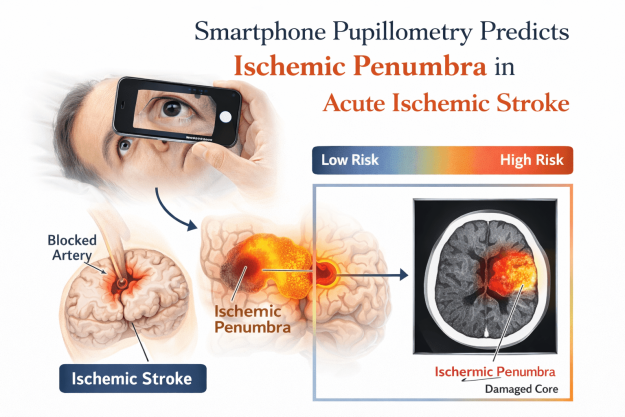
Smartphone pupillometry predicts ischemic penumbra in acute ischemic stroke

Abstract Background: Recent advances in time-sensitive treatment methods for large vessel occlusion (LVO), including medical and mechanical thrombectomy, have increased the importance of rapid recognition of acute ischemic stroke. The pupillary light reflex (PLR) is a biomarker for neurological status. We studied a portable smartphone-based quantitative pupillometry application that has been developed to quantify PLR…

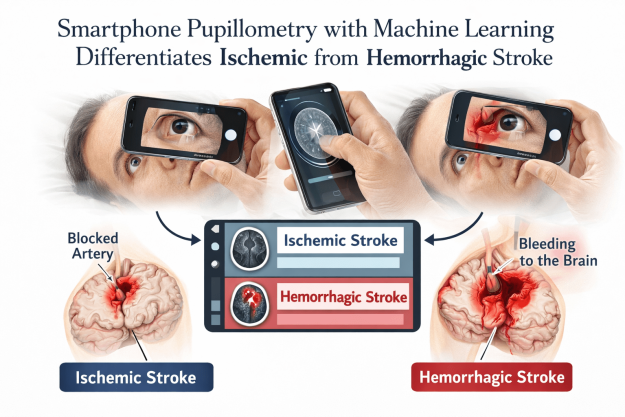
Smartphone pupillometry with machine learning differentiates ischemic from hemorrhagic stroke: A pilot study

Abstract Objectives: Similarities between acute ischemic and hemorrhagic stroke make diagnosis and triage challenging. We studied a smartphone-based quantitative pupillometer for differentiation of acute ischemic and hemorrhagic stroke. Materials and methods: Stroke patients were recruited prior to surgical or interventional treatment. Smartphone pupillometry was used to quantify components of the pupillary light reflex (PLR). A…

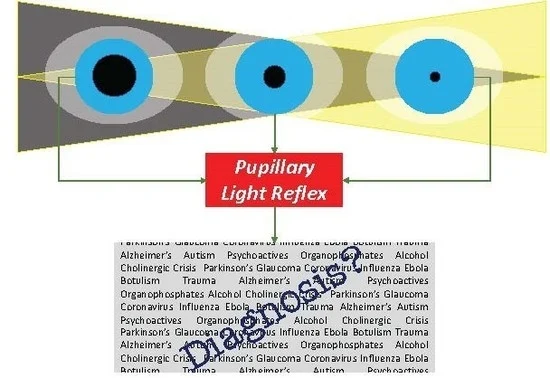
Pupil and Pupillary Light Reflex

Abstract Neurological and neurosurgical diseases encompass a broad spectrum of conditions that may present with acute or chronic courses, benign or malignant characteristics, diverse clinical manifestations, and prolonged recovery periods. Various assessment approaches are available for the early diagnosis, treatment planning, and timely intervention of these diseases. Several scales and scoring systems are used in…